
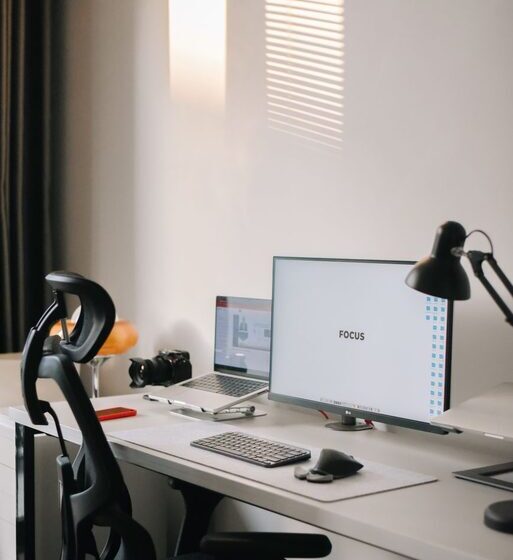

Creating a Home Workspace That Works for You
Working from home has become a common practice for many people worldwide. While it offers flexibility and comfort, it also comes with unique challenges—especially when it comes to maintaining focus and productivity. One effective way to stay on track is by designing a relaxing home workspace that encourages concentration and reduces stress. Here are practical tips to help you create a space where you can work efficiently and feel comfortable throughout the day.
Choose the Right Location
Selecting the right spot for your workspace is the foundation of productivity. Ideally, this should be a quiet area with minimal distractions. If possible, pick a room with a door that you can close to separate work life from home life.
– Avoid high-traffic areas like the kitchen or living room.
– Consider natural light sources, which help boost energy and mood.
– If space is limited, a dedicated corner with a small desk will suffice.
Keep It Organized and Clutter-Free
A tidy workspace promotes clear thinking and reduces anxious feelings. Clutter can be distracting and make it harder to find what you need.
– Use organizers like trays, filing cabinets, or desk drawers.
– Regularly sort through papers and supplies to keep your desk clear.
– Keep only essential items within reach to maintain focus.
Invest in Comfortable and Functional Furniture
Your furniture choices impact both your comfort and health during work hours.
– Choose an ergonomic chair that supports your back.
– Opt for a desk at the proper height to avoid strain.
– Consider a sit-stand desk if you prefer to alternate between sitting and standing.
Incorporate Calming Colors and Personal Touches
The colors and decor in your workspace can influence your mood and productivity.
– Soft, neutral colors like light blues, greens, or earth tones create a relaxing environment.
– Personal touches such as photos, artwork, or plants can make the space inviting and inspiring.
– Avoid too many bright or distracting decorations that may disrupt concentration.
Optimize Lighting
Good lighting reduces eye strain and helps maintain alertness.
– Maximize natural light by placing your desk near windows.
– Use adjustable desk lamps with soft white bulbs for evening work.
– Avoid harsh overhead lighting or glare on screens.
Add Greenery for a Touch of Nature
Plants do more than brighten your workspace; they can also improve air quality and reduce stress.
– Choose low-maintenance plants like succulents or pothos.
– Position plants where they can receive indirect sunlight.
– Regularly water and care for them to keep your workspace fresh.
Minimize Noise and Distractions
Controlling noise levels helps maintain focus, especially when working on critical tasks.
– Use noise-canceling headphones or play soft background music.
– Communicate boundaries to family members or housemates during work hours.
– Consider white noise machines if sounds from outside are distracting.
Establish a Routine With Break Areas
A work routine helps separate work from personal life and sustains productivity.
– Create a designated spot for breaks separate from your desk.
– Step away for short periods to stretch or hydrate.
– Use timers or apps to remind you to take regular breaks and avoid burnout.
Keep Technology Organized and Efficient
Your technology setup can enhance or hinder your productivity.
– Arrange cables and chargers neatly to avoid clutter.
– Ensure your internet connection is stable for smooth communication.
– Use monitors and keyboards that reduce eye and wrist strain.
Maintain Air Quality and Temperature
A comfortable environment supports sustained concentration.
– Open windows when possible to circulate fresh air.
– Use fans or heaters to regulate temperature for comfort.
– Consider adding an air purifier for cleaner air.
Conclusion
Creating a relaxing home workspace doesn’t require expensive renovations or elaborate setups. By paying attention to location, organization, comfort, lighting, and ambiance, you can design a space that helps you feel calm, focused, and productive. Remember to personalize your workspace to suit your individual needs and revisit your setup regularly to make adjustments as your routines evolve. With the right environment, working from home can be both enjoyable and efficient.