
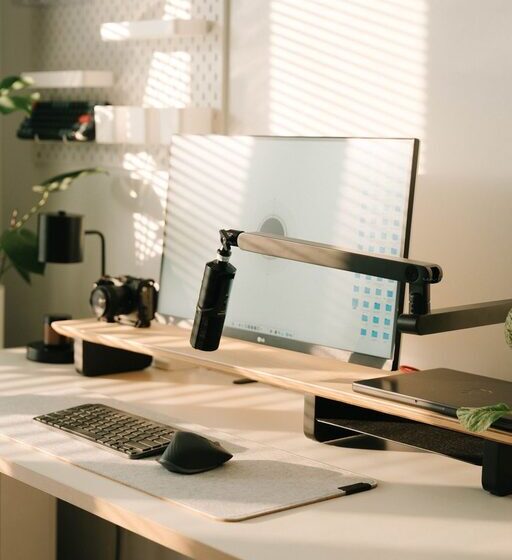

Creating a cozy and functional home office space is more important than ever. Whether you work remotely full-time or just need a spot to handle personal tasks, your workspace should support focus and comfort. A well-designed home office not only boosts productivity but can also improve your overall well-being. Here are some helpful tips to create a home office you’ll love.
1. Choose the Right Location
Selecting the best spot for your home office is the first step. Ideally, pick a quiet area with minimal distractions. This could be a spare bedroom, a corner of your living room, or even a nook by a window.
– Natural light: Try to position your desk near a window to take advantage of natural daylight. Natural light helps reduce eye strain and improves mood.
– Away from noise: If possible, avoid areas close to the kitchen or high-traffic zones.
– Space for essentials: Make sure there’s enough room for your desk, chair, and necessary equipment.
2. Invest in Comfortable Furniture
Comfort is key when you spend several hours a day at your desk.
– Ergonomic chair: Choose a chair that supports good posture with adjustable height, lumbar support, and comfortable cushioning.
– Desk with enough surface area: Your desk should accommodate your computer, notebooks, and any tools you use daily without feeling cramped.
– Consider standing options: A sit-stand desk can help reduce the negative effects of prolonged sitting.
3. Set Up Proper Lighting
Good lighting makes a big difference in how your workspace feels and functions.
– Layered lighting: Use a combination of ambient lighting (overhead lights) and task lighting (desk lamps).
– Avoid glare: Position your monitor to reduce glare from windows and lights.
– Warm light bulbs: Warm-toned bulbs create a cozy atmosphere compared to harsh white light.
4. Organize with Purpose
A cluttered desk can reduce productivity and increase stress.
– Storage solutions: Use shelves, filing cabinets, or storage boxes to keep supplies off the desk.
– Desk organizers: Containers, trays, and pen holders help keep frequently used items within reach but tidy.
– Cable management: Use clips or sleeves to keep cords neat and prevent tangles.
5. Personalize Your Space
Adding personal touches makes your office feel inviting and inspiring.
– Plants: A few small plants can improve air quality and add a touch of nature.
– Artwork and photos: Display images or art that motivate you or bring joy.
– Color choices: Choose colors that make you feel calm or energized, depending on your preferences.
6. Minimize Distractions
A productive workspace is free from unnecessary interruptions.
– Noise control: Use noise-canceling headphones or white noise machines if external sounds are distracting.
– Technology management: Turn off non-essential notifications to maintain focus.
– Separate work and relaxation: Try to limit work to your office area to create a mental boundary between work time and rest.
7. Keep Comfort in Mind
Comfort goes beyond furniture and lighting.
– Temperature control: Use a fan or heater to maintain a pleasant temperature.
– Soft textiles: Add cushions or a cozy throw blanket for warmth and softness.
– Break area: If space allows, create a small corner with a comfortable chair for reading or taking breaks.
8. Plan for Flexibility
Your work needs might change, so design a space that adapts.
– Modular furniture: Pieces that can be rearranged easily offer flexibility.
– Multi-use spaces: A home office can double as a craft area or reading nook.
– Portable storage: Use carts or baskets that can be moved as needed.
—
By combining comfort, organization, and thoughtful design, you can create a cozy and functional home office that supports your productivity and well-being. With a little planning and creativity, your workspace will become a favorite room in your home. Happy decorating!